Trump Bans Canadian Maple Syrup, Orders American Trees To Make Up Difference By Thanksgiving
Agriculture Department confirms United States has six maple trees.
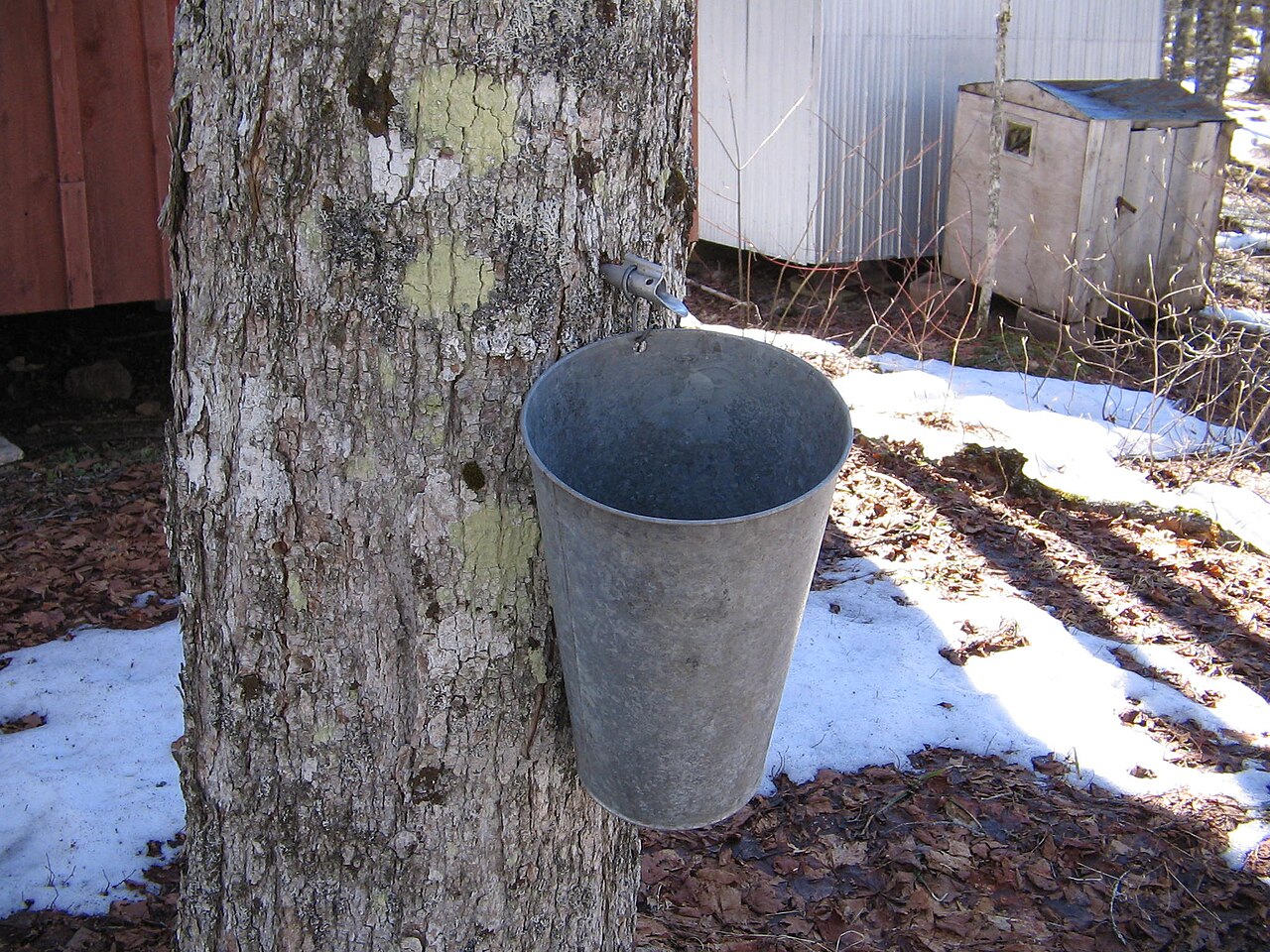
WASHINGTON President Donald Trump on Tuesday barred the import of Canadian maple syrup and directed the Department of Agriculture to bring domestic sap output to parity by Thanksgiving.
The order was announced by Dale Hurdy, Acting Deputy Under Secretary for Tree-Derived Sweeteners and Adjacent Commodities, who said the ban takes effect on 15 September.
“American trees have been sitting on this sap for decades and we intend to have a conversation with them,” Hurdy told reporters. “The President has asked for a 71 percent increase in national sap velocity. The trees will be given every opportunity to comply voluntarily.”
Canada produces roughly 98 percent of the world’s maple syrup and holds a strategic reserve of about 47 million kilograms in a warehouse in Laurierville, Quebec. A Department of Agriculture briefing note, “Sap: Pathways To Sufficiency,” lists the primary obstacle to expansion as the sugar maple’s forty-year maturation period, which the note describes as “under review.”
Speaking to reporters on the South Lawn, Trump said the decision had been a long time coming. “Nobody knew maple syrup came from Canada. I knew. I’ve known for years, frankly,” he said. “We have the greatest trees in the world, the most beautiful trees, and they’ve been very disloyal. Very disloyal trees. That ends today.”
Quebec’s Federation of Maple Syrup Producers said the affected volume, some 11.3 million litres, would be redirected to Norway, Finland and a single unnamed buyer in Shenzhen who has requested the entire 2026 allocation be held in escrow against a currency the federation declined to name.
“We are prepared for a long dispute, and the syrup is prepared for a longer one,” said Yvon Petitclerc, the federation’s director of reserve logistics. “It does not spoil. It does not eat. It does not vote. Our trees were planted by men who are dead and they will be producing when everyone in this room is also dead.”
The White House commissioned an optimisation model to identify the fastest route to sap independence. Officials familiar with the output said the model returned a single recommendation, which was to have begun in 1985, and then produced a 340-page appendix on synthetic alternatives that Hurdy declined to pursue.
At press time, a tree in Franklin County, Vermont, drilled on the President’s instruction, had produced 1.4 litres of clear liquid, which the department is currently boiling.
Who wrote this?
Was it any good?
Would you like to tip the writer?